The Ultimate Mediterranean Cruise Guide: 7 Ports in 7 Days on Explorer of the Seas
A one week Mediterranean cruise from Ravenna to Barcelona gives you seven countries' worth of scenery and about six usable hours in each port. Ours ran Venice (Ravenna), Zadar, Dubrovnik, Rome (Civitavecchia), La Spezia for Cinque Terre, Monte Carlo and Barcelona, on Explorer of the Seas. It is a brilliant itinerary. It is also the one where getting the logistics wrong costs you the whole day, because on this route almost no port drops you at the door.
So this is the guide I wanted before I sailed it. Every port, how far the ship actually parks from the place you came to see, what the transport costs, and whether I would bother again.
This Mediterranean Cruise at a Glance
-
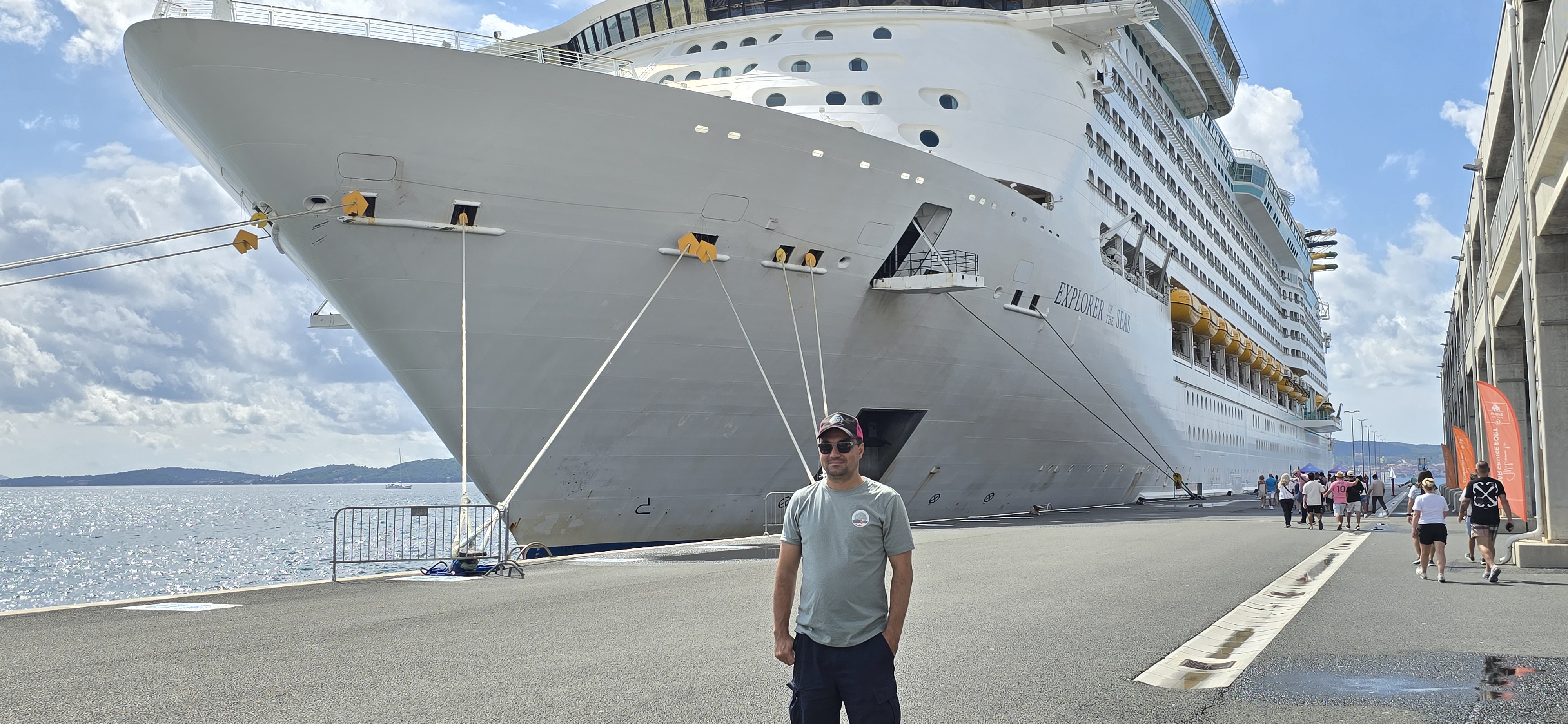
Ship: Explorer of the Seas, Royal Caribbean, Voyager class
-
Size: 311 metres, 15 decks, around 3,200 guests at double occupancy
-
Route: Ravenna to Barcelona, open jaw
-
Ports: Ravenna (for Venice), Zadar, Dubrovnik, Civitavecchia (for Rome), La Spezia (for Cinque Terre), Monte Carlo, Barcelona
-
Sea days: one, and you will want it
-
Currency: euros in all seven ports, Monaco included
Is a Mediterranean cruise actually worth it?
Yes, if you treat it as a sampler rather than a holiday in any one place. In seven days you get Croatia, Italy twice over, Monaco and Spain, you unpack once, and you never sit on a transfer coach between cities. That is genuinely hard to replicate on land for the money.
But be honest with yourself about what six hours in Rome is. You are not "doing Rome." You are getting a taste of it, deciding whether to come back properly, and sleeping on a ship that night. If that trade sounds thin to you, a land trip will serve you better. If it sounds like the best possible use of a week off, this is your itinerary.
The full itinerary, port by port
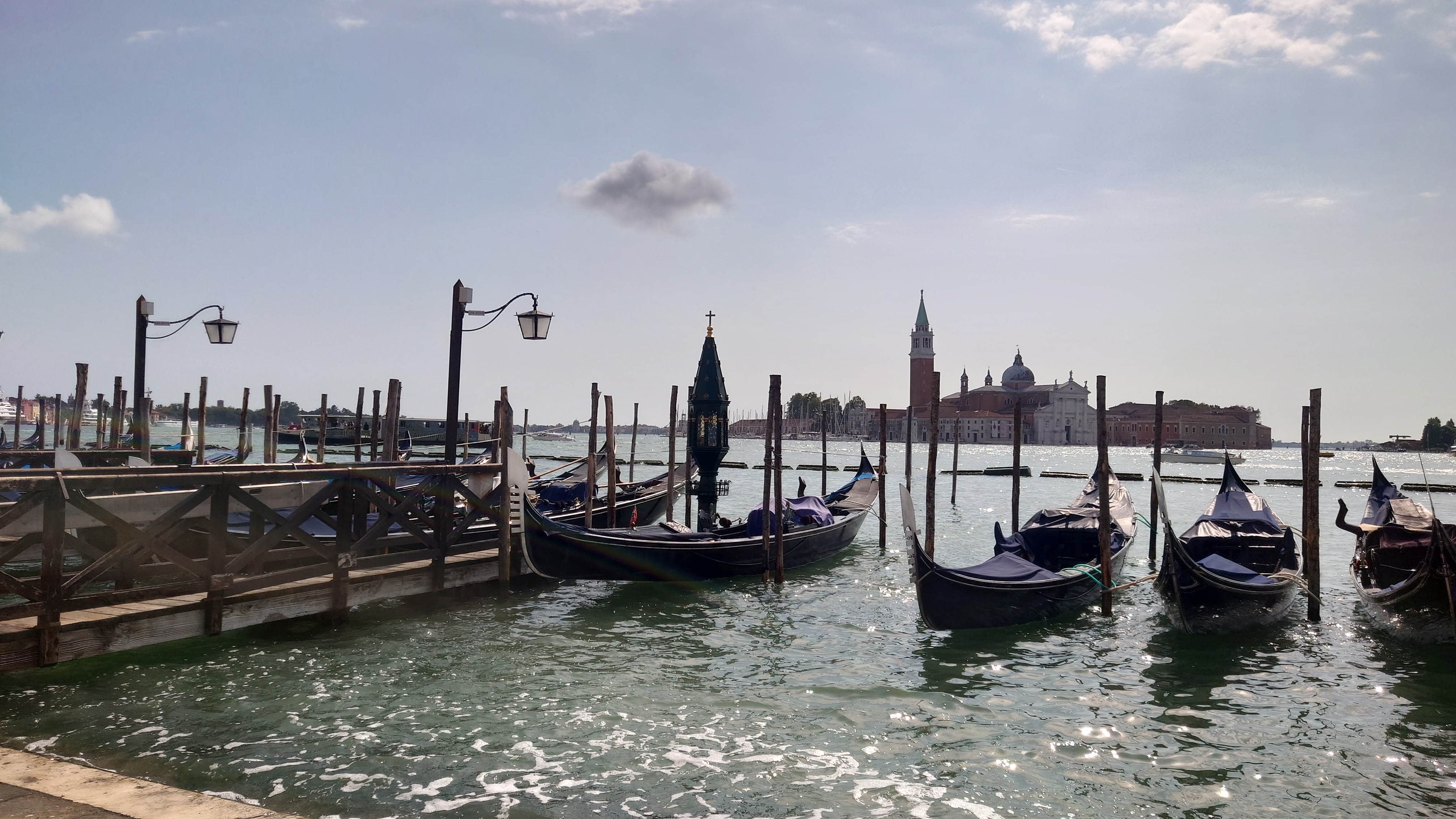
Ravenna: is this really a Venice cruise?
No, and this is the thing people get caught out by. Porto Corsini sits roughly 145 km south of Venice, about two and a half to three hours each way by road.
The terminal is around 8 to 15 km from Ravenna's own centre, and there is no walking route worth attempting. The official Visit Ravenna shuttle runs to a drop-off next to Ravenna train station, about 300 metres from the platforms. Local bus 90 does the same run for a couple of euros but leaves you a 500 metre walk from the terminal gate. Book the shuttle in advance if you are embarking, because Ravenna has very few taxis for a town its size.
My honest take: if this is your embarkati
on port, fly in early and give Venice its own overnight. If it is a port of call, take Ravenna itself. The Byzantine mosaics at San Vitale and Sant'Apollinare Nuovo are world class and the centre is flat and compact.
Zadar: is it worth leaving the ship for?
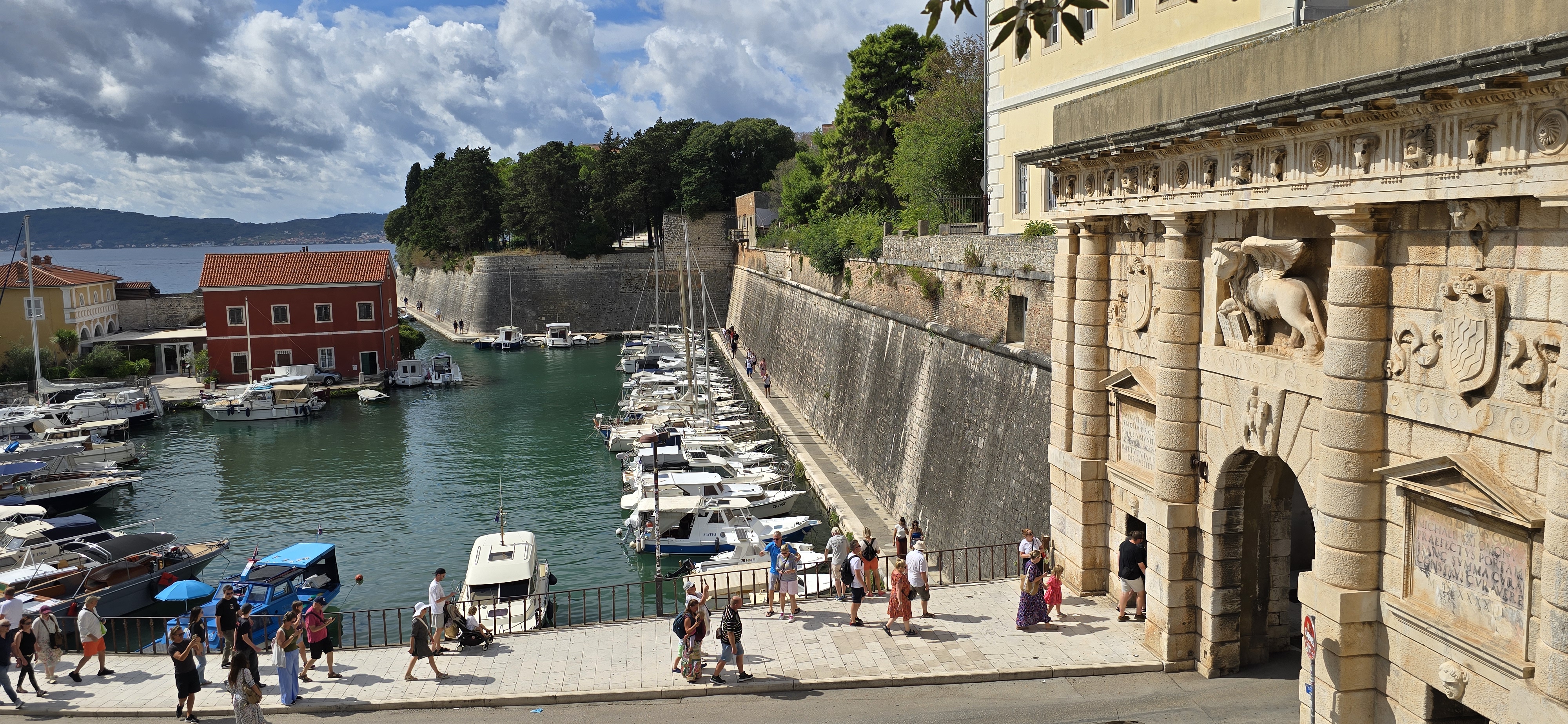
Yes, but only if you sort the transport first. Ships berth at Gazenica, about 4 km south of the Old Town, and this is the port where guides most often mislead people by quoting 1.5 km. The real walking distance is closer to 4.5 km with almost no shade.
Cheapest first: Liburnija bus 9 to the main bus station then bus 2 or 4 into the Old Town for a couple of euros. Shuttle to a drop-off beside the Sea Organ, usually 5 to 7 euros each way. Taxi at 10 to 15 euros each way, often better value for two people.
Once on the peninsula everything is within ten minutes: Roman Forum, St Donatus, Sea Organ, Greeting to the Sun. Half a day is enough.
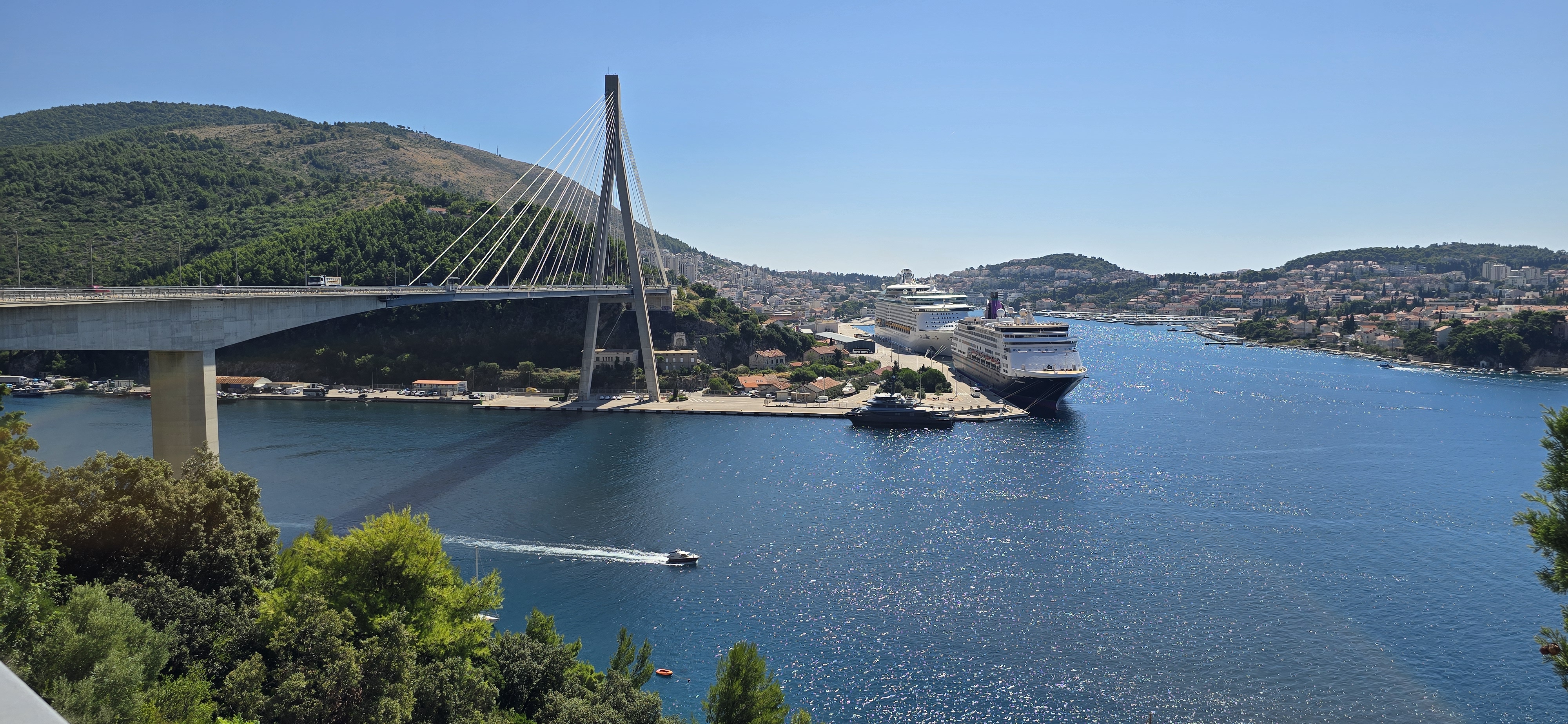
Dubrovnik: how do you get from Gruz to the Old Town?
Take Libertas bus 1A, 1B or 3 from outside the terminal to Pile Gate. About 3 km, roughly 15 minutes, 1.73 euros from a Tisak kiosk. Taxi is 10 to 15 euros.
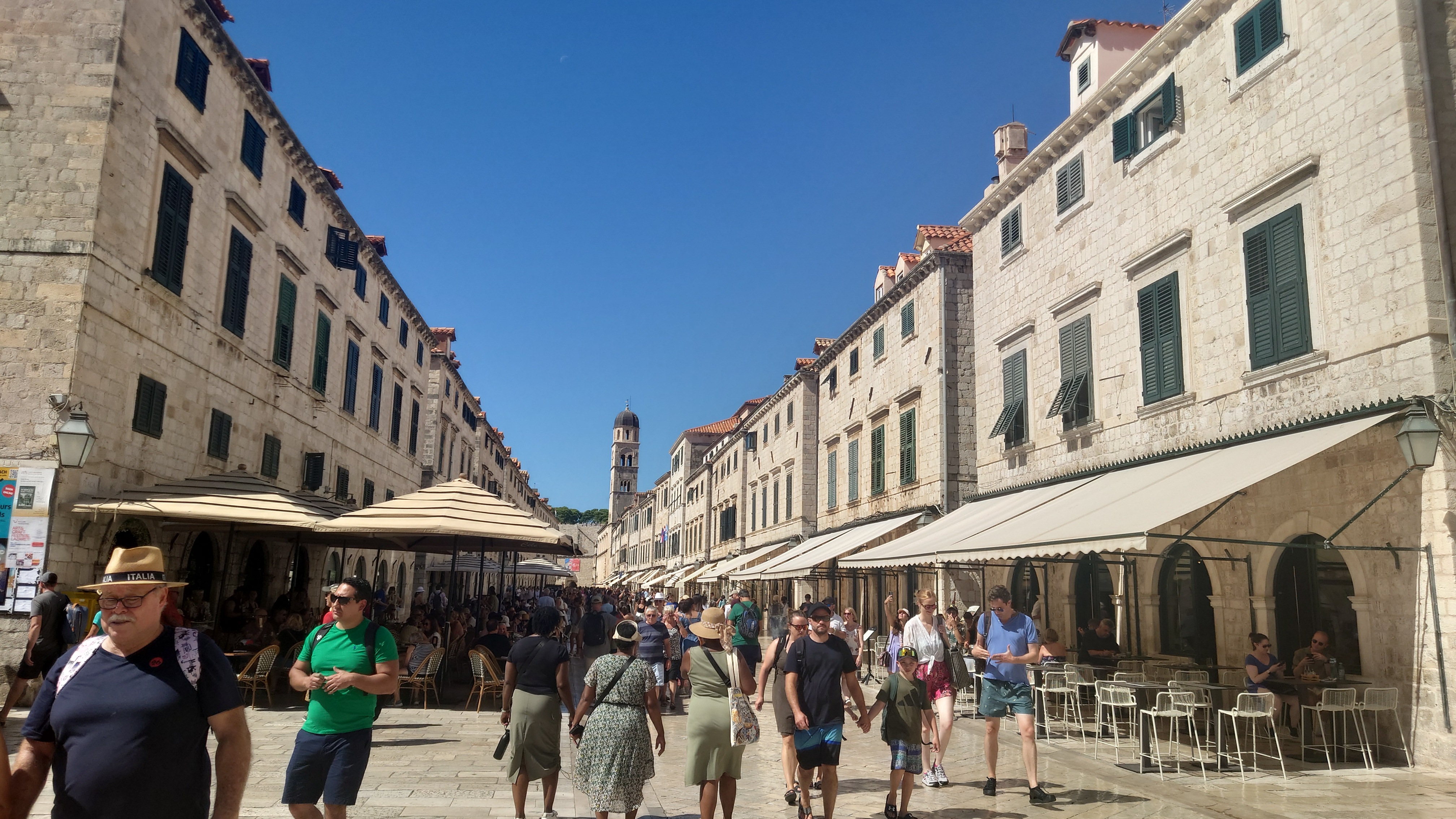
Then the real decision: the city walls now cost 40 euros. That is the biggest sting of the week, which is why the Dubrovnik Pass is worth the maths, because the one day version is also 40 euros and includes the walls, museums including the Rector's Palace, and unlimited buses.
Timing matters more here than anywhere. Go elsewhere first, Lokrum or the Mount Srd cable car via bus 8, and hit the Old Town after 3pm when the coach tours drain back to the ships.
Rome: can you do it from Civitavecchia in a day?
Yes, if you take the train and pick one area. Free port shuttle from your ship to Largo della Pace, then a 15 to 20 minute flat walk or a roughly 6 euro shuttle to the station. Regional trains run two to three an hour at a fixed 4.60 euros, about 50 to 60 minutes to Roma San Pietro, 75 to 85 to Termini.
Budget 30 to 45 minutes gangway to platform. Take an earlier train back than you think you need.
Vatican side or Colosseum side, not both, with pre-booked timed entry. This is the one port where a ship excursion earns its money, purely because they hold the ship.
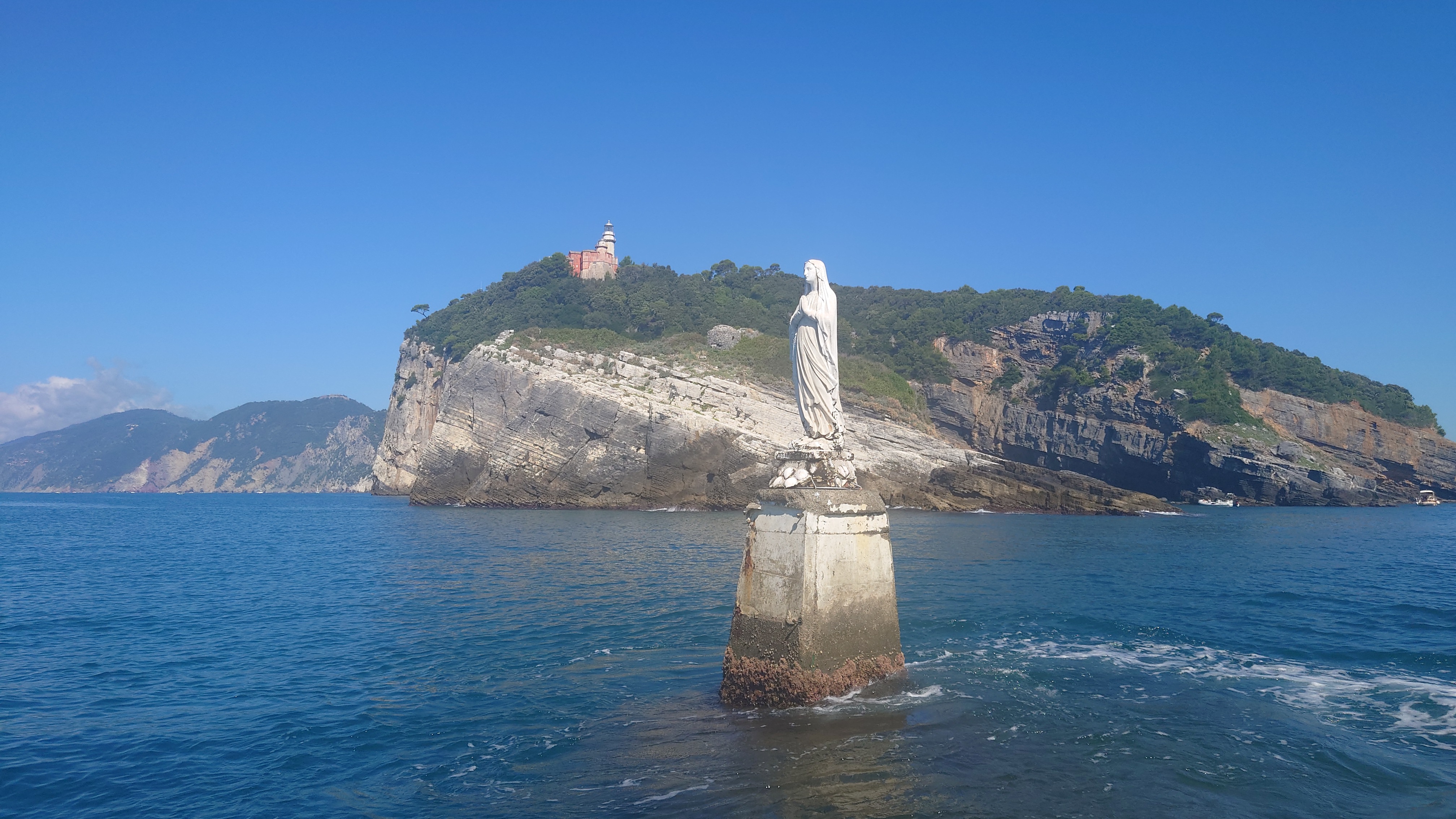
Cinque Terre: how many villages can you actually see?
Two or three. Anyone telling you five in a port day is setting you up for a bad time. The Cinque Terre Express runs from La Spezia Centrale every 20 minutes in season, and village to village is often three or four minutes.
The port is about a 25 minute walk from the station. Single tickets run 5 to 10 euros a leg by season; the Cinque Terre Treno Card runs from about 19.50 to 35 euros for one adult day depending on the green, yellow or red band. Cruise days in high season are usually red. Move more than twice and the card wins. Buy online in advance.
Best plan for six hours: train through to Monterosso or Vernazza first, then work back towards La Spezia, so your last village is the closest to the ship.
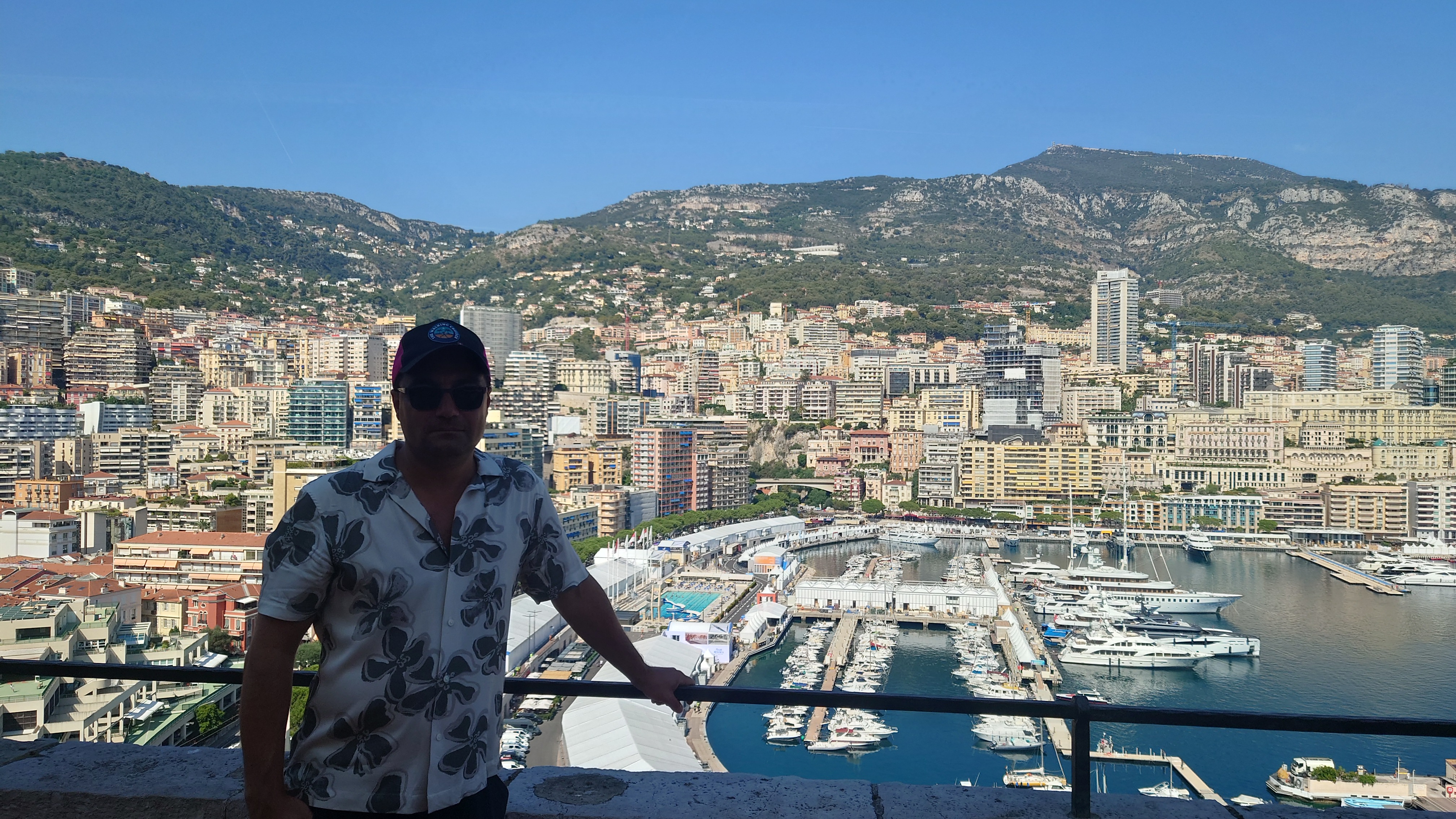
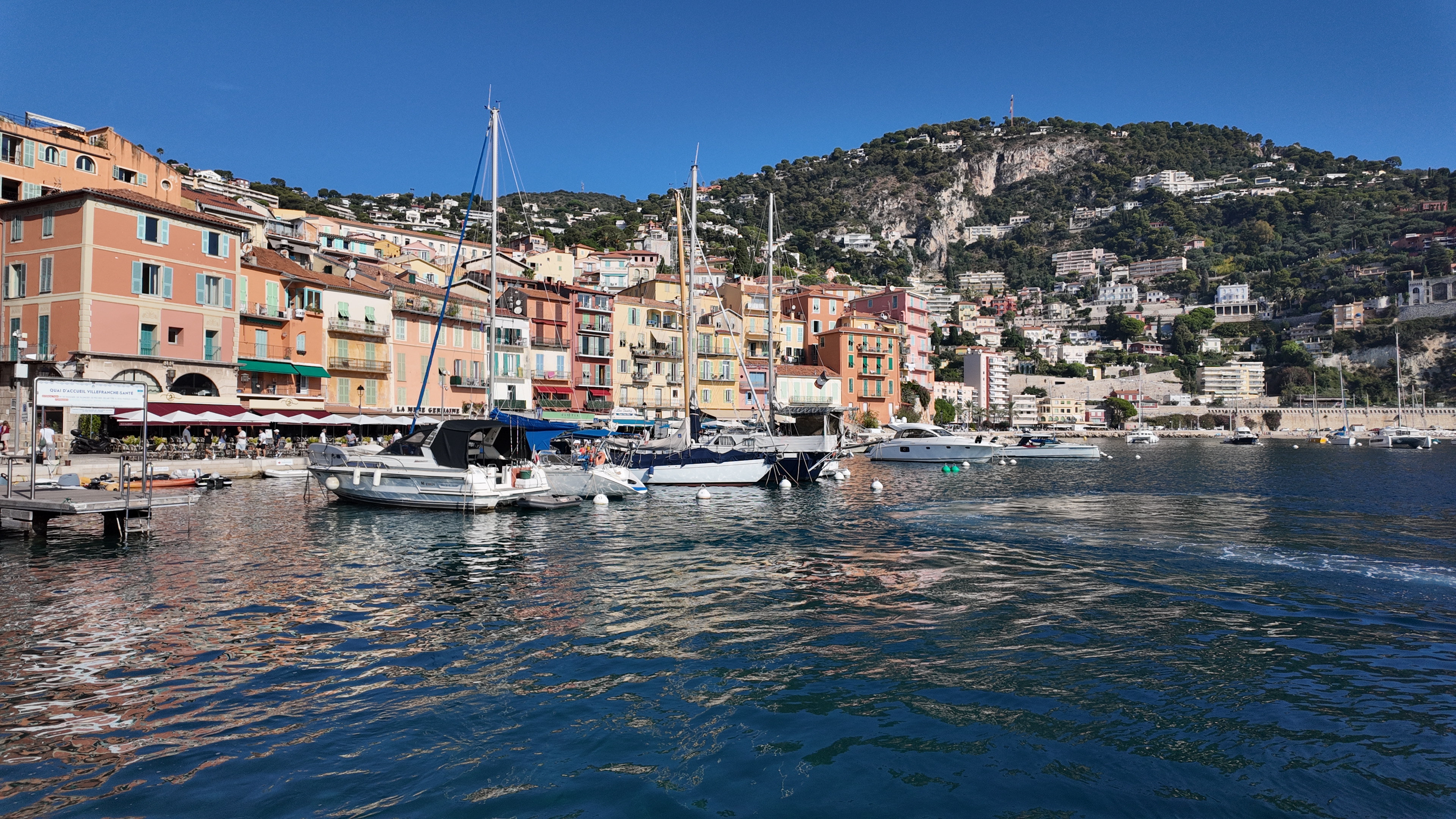
Monte Carlo: does a ship this big even dock?
No. Explorer of the Seas is 311 metres and the Port Hercule cruise berth takes far smaller ships, so a Voyager class ship anchors offshore and tenders in. Plan around that.
Once ashore, Monaco is the easiest port on the itinerary. The whole country is 2 square kilometres. The casino is about 15 minutes on foot from the harbour, Monaco-Ville is up on the rock, and the Grand Prix circuit runs past the port, so you can walk the tunnel and the Casino hairpin free on any non race day. Use the free public lifts and escalators.
Bring your passport for the Casino de Monte-Carlo gaming rooms and expect an entry fee. Do not book an expensive inland excursion on a tender day.
Barcelona: what does disembarkation day look like?
Ships berth at Moll Adossat, roughly 3 km from the bottom of La Rambla, and you cannot walk out. The blue Portbus shuttle runs to the Columbus monument for a few euros.
If your flight is late, do not sit in the terminal. Boqueria market, the Gothic Quarter and Plaça de Catalunya are all walkable from the drop-off. Sagrada Familia needs pre-booked timed entry. Left luggage in the centre solves the rest.
Full detail in my Barcelona cruise port guide.
What is Explorer of the Seas like on this itinerary?
Explorer is a Voyager class ship, 15 decks, around 3,200 guests at double occupancy. On a port intensive route that size works in your favour: big enough for a proper Royal Promenade, ice rink and FlowRider, small enough to get off and back on without a 40 minute gangway queue.
With seven ports and one sea day the ship becomes a hotel with good food. You will be off by 8am most days and back by 5. The features you paid for get used on that one sea day and in the evenings, which is why I would take this over a nine night version with three sea days.
What does a week like this cost in port?
-
Ravenna shuttle: low tens of euros return, less on bus 90
-
Zadar shuttle or bus: 4 to 14 euros return
-
Dubrovnik bus plus walls: about 43 euros, or 40 for the Dubrovnik Pass covering both
-
Rome train: 9.20 euros return, plus 6 to 12 for the station shuttle and timed entries
-
Cinque Terre day card: 19.50 to 35 euros
-
Monte Carlo: free to walk, 17 to 19 euros for the casino gaming rooms
-
Barcelona shuttle: a few euros
Call it 120 to 160 euros per person for the week before food and drink ashore. Ship excursions in these ports frequently run 80 to 150 euros per person per port.
Five things I would do differently
-
Treat Ravenna as its own port, not as Venice.
-
Buy the Cinque Terre card and the Dubrovnik Pass online before the cruise.
-
Go backwards through the crowds. Furthest village first, Old Town last.
-
Pre-book timed entry for Rome.
-
Build a bigger buffer at Civitavecchia and Monaco. A regional train and a tender queue are the two things that can leave you on a quay.
Frequently asked questions
Is a Mediterranean cruise worth it?
Yes, if you want breadth rather than depth. Seven countries or regions in a week, one unpack, no internal transfers.
Is Ravenna the same as Venice?
No. Porto Corsini is around 145 km south of Venice, two and a half to three hours by road, no direct train.
How do you get from Civitavecchia to Rome?
Free port shuttle to Largo della Pace, then a walk or roughly 6 euro shuttle to the station, then a 4.60 euro regional train. 50 to 60 minutes to Roma San Pietro, 75 to 85 to Termini.
How far is Dubrovnik cruise port from the Old Town?
Gruz is about 3 km out. Bus 1A, 1B or 3 to Pile Gate in 15 minutes for 1.73 euros.
Do you need the Cinque Terre Card from La Spezia?
If you visit more than two villages, yes. Singles are 5 to 10 euros a leg, the day card 19.50 to 35 euros.
Do cruise ships dock in Monaco or tender?
Large ships tender. Port Hercule's cruise berth takes much smaller vessels.
How far is Zadar cruise port from the Old Town?
Gazenica is about 4 km south. Walking is 35 to 45 minutes on an exposed road; most take the shuttle, a taxi, or bus 9 then 2 or 4.
What currency do you need?
Euros throughout, Croatia and Monaco included. Carry 20 to 30 euros cash for buses and kiosks.
What should you pack?
Walking shoes above all, shoulder covering for churches, refillable bottle, sun hat, one smart outfit for formal night.
Is eastern or western Mediterranean better?
This route gives you both. Eastern means Croatia, Greece, Montenegro and old towns at the water's edge. Western means bigger cities and longer inland transfers.
Watch the Full Seven Port Walkthrough. Subscribe to The Walking Cruiser for honest ship reviews and port guides every week.